
The thrill of uncertainty
The allure of gambling lies primarily in the excitement of uncertainty. When players step into a casino, they are immediately engulfed by a chaotic yet vibrant atmosphere, filled with the sounds of spinning reels and the cheers of winners. This unpredictability taps into a fundamental aspect of human psychology: our innate desire for novelty and the unknown. Each bet made becomes a potential gateway to australian online casino a life-changing experience, stimulating the brain’s reward system and releasing a rush of dopamine that feels exhilarating. The thrill of not knowing the outcome is a significant draw for many, as it piques curiosity and encourages players to take risks.
Moreover, the thrill of uncertainty is enhanced by the possibility of winning. This hope can create a powerful emotional response, often referred to as «near-miss» experiences. When players come close to hitting a jackpot but ultimately lose, their brains may perceive that as a cue to keep playing. This cognitive bias can lead to continued participation in gambling, even when it outweighs the rational evaluation of odds. Over time, the thrill associated with uncertainty becomes a motivating factor, drawing individuals back to casinos. The anticipation of a potential win can overshadow the reality of losses, creating a cycle of excitement that keeps players engaged.
Another psychological element at play is the concept of risk versus reward. In many games, players can either bet small amounts with a higher chance of winning or go for larger bets with a lower probability. This tug-of-war between safety and risk often fuels the excitement. Players may convince themselves that a big win is just around the corner, leading to repeated play despite potential losses. The anticipation and adrenaline rush associated with gambles create a compelling cycle that keeps players engaged in the casino environment. This interplay of risk and reward is fundamental to the gambling experience, making it a captivating pursuit for many.
The social aspect of gambling
Gambling is inherently a social activity, often conducted in a lively environment filled with other players. Many individuals seek out casinos not just for the games themselves but for the camaraderie and communal experiences. Engaging with fellow players can create a sense of belonging and reinforce social identities. The interaction can make the experience more enjoyable, as players share their highs and lows, strategies, and stories in a shared pursuit of fortune. This social component enhances the overall experience, making it more than just a solitary activity.
The communal aspect of gambling can also act as a catalyst for further participation. Winning together or celebrating a significant hand at the poker table can forge bonds that extend beyond the gaming floor. Even simple interactions with dealers or staff contribute to a friendly atmosphere that invites players to return. This social reinforcement can be particularly strong for those who might feel isolated or lonely outside of the gaming environment, leading them to seek comfort and connection within the casino. The sense of community formed can be a significant factor in why individuals continue to visit casinos, long after their initial interest in gambling.
Additionally, many casinos promote social events, tournaments, and themed nights aimed at bringing players together. These gatherings not only enhance social ties but also create a festive atmosphere that encourages increased engagement. The social facets of gambling not only make the experience pleasurable but also contribute to the psychological motivation for players to visit casinos repeatedly. Together, the blend of gaming and socializing creates a compelling reason to continue returning to these establishments, as players seek out the connections formed through shared experiences.
Addiction and the psychological trap
While gambling can be an enjoyable pastime, it also has the potential to become a serious addiction for some individuals. Compulsive gambling is characterized by an inability to control one’s betting behavior, leading to financial instability, relationship issues, and emotional distress. The psychological phenomena surrounding gambling addiction can be complex, often involving a range of emotional triggers that compel individuals to gamble excessively. This addiction is often fueled by the euphoric feelings associated with winning and the overwhelming desire to replicate those moments, creating a cycle that can be difficult to break.
The psychological trap of gambling addiction is often exacerbated by cognitive distortions, such as the illusion of control. Many gamblers believe they have the ability to influence the outcome of games through strategies or techniques, even in scenarios where luck plays a dominant role. This false sense of empowerment can lead to increased betting, as players feel confident that they can overcome the odds. Moreover, engaging in gambling activities can trigger emotional states such as stress or anxiety, prompting individuals to gamble as a form of escape. This cycle can lead to significant negative consequences in a person’s life, making it crucial to recognize and address these patterns.
Addressing gambling addiction requires a multi-faceted approach, including psychological interventions and support systems. Recognizing the signs of compulsive gambling and seeking help can be crucial steps toward recovery. Support groups, therapy, and counseling can provide guidance for individuals struggling with addiction, helping them to reframe their relationship with gambling and prioritize healthier coping mechanisms. Understanding the psychological underpinnings of gambling addiction is vital for both individuals and their loved ones, fostering awareness and promoting recovery. By addressing these issues, individuals can work toward a healthier relationship with gambling.
The influence of design and environment
The design of casinos is meticulously crafted to enhance the gambling experience and encourage players to spend more time in the environment. Everything from the layout to the lighting is strategically arranged to create an alluring atmosphere. Bright lights and vibrant colors attract attention, while soothing sounds and scents make players feel comfortable and relaxed. This carefully curated milieu is designed to keep players engaged, often leading them to underestimate the passage of time and lose track of their spending. The ambiance plays a significant role in shaping the overall experience, drawing people in and keeping them entertained.
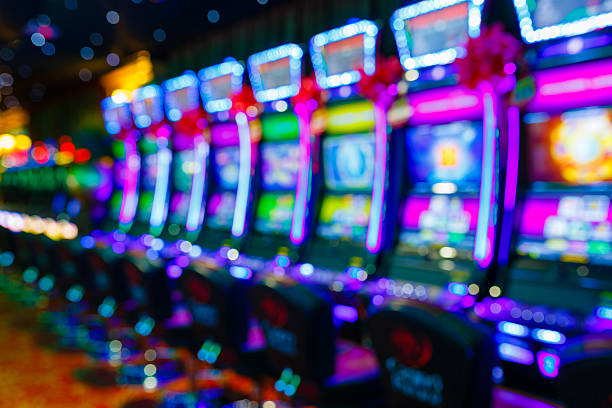
One of the key aspects of casino design is the absence of clocks and windows. This intentional choice creates a sense of timelessness, encouraging players to stay longer without being aware of the time. As hours slip away, players may continue to gamble, driven by the thrill of the game and the allure of potential wins. The arrangement of gaming tables and machines often promotes interaction with other players, further enhancing the immersive experience, creating a dynamic that keeps gamblers entranced. The layout is designed not only for functionality but also for maximizing the psychological impact on players.
Additionally, casinos often employ reward programs and incentivizing strategies to encourage frequent visits. These loyalty programs can create a sense of community among players and provide a tangible reason to return. By equating player engagement with rewards, casinos effectively harness the psychology of motivation and reinforcement, keeping players returning for more experiences. The overall design and environment of casinos serve to amplify the psychological factors that draw people into gambling activities, making it an integral part of why we play. Understanding these elements can provide insights into the broader implications of gambling culture.
Exploring more about gambling psychology
For those interested in understanding the psychological dynamics of gambling in greater depth, various resources are available to explore the intricate relationships between behavior, motivation, and gambling. Research and literature on the psychology of gambling delve into the mental and emotional factors influencing gambling behavior. These resources can offer insights into how design, environment, and personal psychology interact to create the allure of casinos and gambling activities. Engaging with academic studies and expert opinions can enrich one’s understanding of this multifaceted phenomenon.
Websites dedicated to gambling education provide comprehensive information on responsible gaming practices, treatment options for gambling addiction, and strategies for understanding one’s gambling motivations. Engaging with such platforms can help individuals better understand their relationship with gambling and develop healthier habits. Such insights might prove invaluable for both recreational gamblers wanting to stay in control and those who are struggling with compulsive gambling behavior. Sharing knowledge within communities can foster a culture of awareness and responsibility.
Moreover, awareness campaigns and community initiatives also serve as vital resources that inform and educate individuals about the potential risks associated with gambling. Educational materials and workshops can empower players to make informed decisions and recognize when it’s time to seek help. Delving into the psychology of gambling is not only intellectually stimulating but can also foster a more responsible and mindful approach to gaming. By promoting understanding and dialogue, we can work toward creating safer gambling environments that prioritize player well-being.